

Helpful Tips in Navigating MG
Managing and “navigating” MG can be challenging, but many people live well with it by learning how to manage symptoms, triggers, and treatments. Here are practical tips that many patients find helpful:

1. Learn Your Triggers
Certain things can worsen MG symptoms. Try to track what affects you.
Common triggers include:
-
Fatigue or overexertion
-
Stress
-
Infections or illness
-
Hot temperatures
-
Certain medications (some antibiotics, beta-blockers, magnesium)
📓 Tip: Keep a symptom diary to see patterns.
2. Pace Your Energy
MG causes muscle fatigue that improves with rest.
Helpful strategies:
-
Break tasks into small steps
-
Rest before you feel exhausted
-
Plan important activities during your strongest time of day (often morning)
-
Use assistive tools if needed (shower chairs, electric toothbrushes, etc.)
3. Protect Your Eyes
If you experience double vision or drooping eyelids:
-
Use an eye patch (alternate eyes periodically)
-
Take screen breaks
-
Adjust lighting to reduce eye strain
4. Make Eating Easier
Some people with MG have chewing or swallowing fatigue.
Helpful tips:
-
Eat smaller, more frequent meals
-
Choose soft foods when tired
-
Sit upright when eating
-
Avoid talking while chewing
5. Watch Your Breathing
MG can sometimes affect breathing muscles.
Know warning signs:
-
Shortness of breath
-
Difficulty speaking full sentences
-
Trouble swallowing saliva
🚨 These could signal a myasthenic crisis and require urgent medical care.
6. Stay Consistent With Treatment
Common MG treatments include:
-
Pyridostigmine (Mestinon)
-
Steroids or immunosuppressants
-
IVIG or plasmapheresis
-
Thymectomy (in some patients)
⏰ Tip: Take medications on schedule—timing often matters for symptom control.
7. Manage Stress and Sleep
Both stress and poor sleep worsen MG.
Helpful approaches:
-
Gentle exercise (walking, stretching)
-
Meditation or breathing exercises
-
Prioritize consistent sleep
8. Build a Medical Support Team
Helpful specialists may include:
-
Neurologist experienced in MG
-
Primary care doctor
-
Speech/swallow therapist
-
Physical or occupational therapist
9. Carry Medical Information
Many MG patients carry:
-
A medical ID bracelet
-
A list of medications to avoid
-
Emergency contact information
10. Connect With MG Communities
Support groups can help with:
-
coping strategies
-
treatment experiences
-
emotional support
11. Airports & Flying Tips
Traveling through airports with myasthenia gravis (MG) can be exhausting, but with some planning and the right strategies, it can be much more manageable. The key is conserving energy, minimizing stress, and avoiding triggers like fatigue and overheating.
Here are practical, MG-friendly tips specifically for airports:
✈️ Before You Go
-
Request wheelchair assistance early
When booking your ticket (or afterward), request wheelchair/escort service. This is huge—airports are long and draining. -
Choose better flight times
Travel when your symptoms are usually mild (often mornings for many people with MG). -
Pack meds in your carry-on
Bring extra doses and keep them easily accessible. Delays happen. - Pack unopened water or other drink to travel through TSA with you. This is allowed when you have medical conditions and need to take medication.
🧳 At the Airport
-
Use wheelchair/transport services without hesitation
Even if you can walk, saving energy for later (boarding, arrival) is worth it. -
Arrive early—but not too early
Give yourself time without creating unnecessary fatigue from long waits. -
Use priority/medical lines if available
TSA Cares (in the U.S.) can assist: you can call ahead (72 hours ideally). -
Avoid long standing periods
Ask for a seat if lines are long—staff will usually accommodate medical needs. - Wear a sunflower lanyard that identifies you as person with an invisible disease. You can purchase this below.
🛫 Boarding & Flying
-
Pre-board if you can
This reduces stress and gives you time to settle in without rushing. -
Choose aisle seats
Easier access for movement and less strain. -
Neck/head support
Helps if you experience neck weakness.
🧳 After Landing
-
Request arrival assistance too
Many people forget this—airports on arrival can be just as tiring. -
Plan rest time after travel
MG fatigue can hit hard after exertion.
Handicap Placard or Plates
People with myasthenia gravis (MG) often qualify for a handicap (disabled) parking placard because—even if they look fine—the condition can significantly limit their ability to walk safely and consistently.
Here’s the reasoning in a clear, practical way:
🧠 1. MG Causes Fluctuating Muscle Weakness
-
MG doesn’t affect people the same way all the time.
-
Someone may walk нормально one moment and then suddenly experience:
-
Leg weakness
-
Fatigue
-
Trouble holding posture
-
👉 A handicap placard accounts for this unpredictability, not just “how you look at your best.”
🚶 2. Walking Long Distances Can Be Dangerous
Airports, parking lots, and stores often require a lot of walking.
For someone with MG:
-
Muscles fatigue quickly
-
Weakness can worsen with continued use
-
Risk of falls increases
👉 Shorter distances (like handicap parking) help prevent overexertion and injury.
⚡ 3. Fatigue Is Not Just “Tiredness”
MG fatigue is:
-
Sudden
-
Muscle-specific (not just sleepy tired)
-
Worsened by activity
👉 Saving energy for essential tasks (like actually shopping or traveling) is important.
🌡️ 4. Heat and Stress Make Symptoms Worse
-
Walking across a hot parking lot can trigger weakness
-
Stress and exertion can worsen symptoms quickly
👉 Closer parking reduces exposure to these triggers.
🫁 5. In Some Cases, Breathing & Swallowing Muscles Are Affected
-
Severe MG can impact respiratory muscles
-
Overexertion can increase risk of a myasthenic crisis (serious medical emergency)
👉 Energy conservation is not just comfort—it can be medically necessary.
⚖️ 6. It Qualifies as a Mobility-Limiting Condition
Most states allow handicap placards for people who:
-
Cannot walk long distances without stopping to rest
-
Have a condition that limits mobility due to neurological or muscular disease
MG fits this, even if the limitation is intermittent.
Small Things That Make Living with MG Easier

Neck Pillows
People with Myasthenia Gravis (MG) often experience neck muscle weakness and fatigue, which can make holding the head up or resting comfortably difficult. A neck pillow can help provide extra support and reduce strain.
Below is a link to a neck pillow that we have used and recommend.

Bed Rails
Bed rails can help people with myasthenia gravis (MG) because the condition causes muscle weakness that worsens with activity, especially in muscles used for movement and posture. Bed rails provide mechanical support and leverage, which reduces the amount of muscle strength required for common movements in bed.

Swim Belt
A swim belt (aqua belt or flotation belt) can be very beneficial for people with myasthenia gravis (MG) because it helps them exercise in water safely while reducing muscle fatigue and strain. Water exercise is often recommended for MG since it supports the body and allows gentle movement without overworking weak muscles.

Cooling Devices
Many people with Myasthenia Gravis (MG) notice their symptoms worsen in warm temperatures or when their body overheats. Cooling devices help regulate body temperature and can make daily activities more manageable.
Below is a link to a few cooling devices that we have used and recommend.
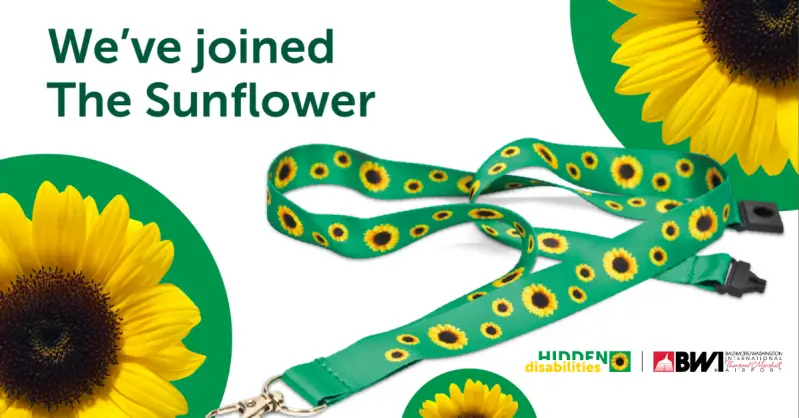
Sunflower Lanyard
Sunflower lanyards can be helpful for people with Myasthenia Gravis (MG) because MG is considered an invisible disability. Many symptoms (fatigue, muscle weakness, double vision, breathing difficulty) are not obvious to others, but they can significantly affect daily functioning.
What the Sunflower Lanyard Means 🌻
The Hidden Disabilities Sunflower Lanyard is a globally recognized symbol that signals a person may need extra time, patience, or assistance due to a non-visible condition.

Liz Plowman PT, DPT, M.ED, LCD
Diagnosed with Myasthenia Gravis (MG) herself in 2017, Liz brings a unique dual perspective as both clinician and patient. She is the author of Some Spoons Are Worth Spending: Practical Energy Conservation Strategies to Live Your Best Life With Myasthenia Gravis. Her work focuses on making life more livable for those with chronic fatigue and neuromuscular conditions through exercise, energy conservation, and patient empowerment. A lifelong learner and advocate, Liz is passionate about improving the quality of life for people with MG through education, empathy, and practical strategies.

Grab Bars
People with Myasthenia Gravis (MG) often experience muscle weakness, fatigue, and balance challenges. Grab bars can provide extra stability and help make daily movements safer and easier.
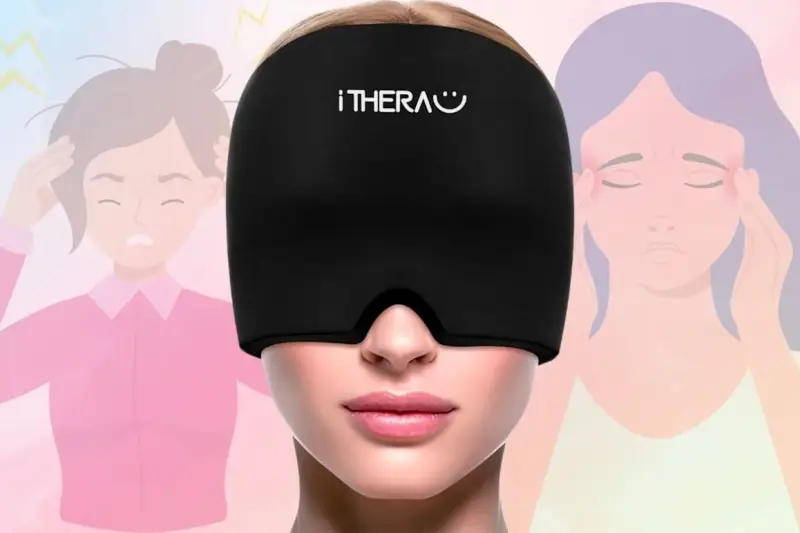
Migraine Masks
Compression cooling or heated head wraps (often called migraine caps or headache wraps) can be helpful tools for people with myasthenia gravis (MG) who experience headaches, muscle tension, or fatigue-related discomfort. They provide drug-free symptom relief, which is useful for many MG patients who must be cautious with medications. assistance.

Jane Marla Robbins
Jane's story of being diagnosed with myasthenia gravis is one of a kind, but also relatable in so many ways! This book is outrageous, funny, heartbreaking, intelligent, inspiring, irreverent and defiant, Jane Marla Robbins describes her journey with the auto-immune disease, Myasthenia gravis, which to date has no cure. Still, she emerges strong and with none of her horrible, initial symptoms. Well-crafted, the book includes an outline for a surreal musical, as well as poetry, jokes, prayers, rants, inspiration, and hope.